

PLAY IDEAS
PLAY IDEAS
Playing Together as a Family
Family life can feel busy and full of routines, but when parents and children play together, something special happens: play becomes a shared space for laughter, communication and connection. This section is full of quick, easy play ideas that fit into real family life. Because family play is more than fun, it’s a simple way to build lifelong emotional strength.
+
Family Play Time
Family Dance Party

Family Dance Party
-Pick a song and dance together. Silly moves encouraged.
Why it helps
Creates shared joy and releases tension.
Parent tip
Let your child choose the songs leading the play.
+
Family Play Time
Kitchen Band
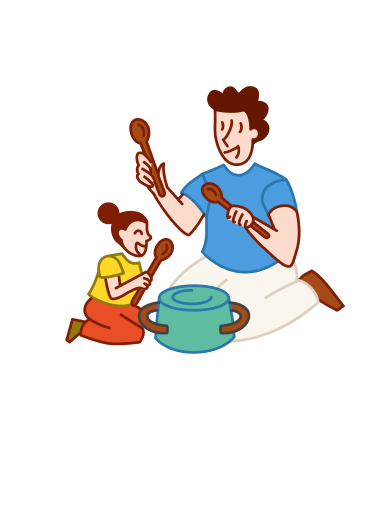
Kitchen Band
-Use pots, spoons, and cups to create a family rhythm band.
Why it helps
Encourages cooperation, rhythm, and joy.
Parent tip
Let your child lead the tempo.
+
Family Play Time
Family Gratitude Jar

Family Gratitude Jar
-Each day, write or draw one thing you’re grateful for and put it in a jar. Read them all together at the end of the week.
Why it helps
Builds positive connections and shared meaning.
Parent tip
Let your child decorate the jar.
+
Family Play Time
Toy Talent Show
(with Mini Home Theatre)
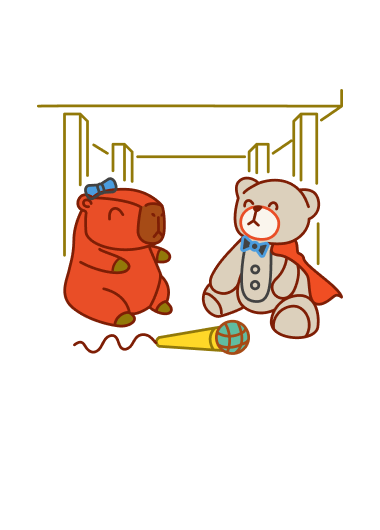
Toy Talent Show
-Create a theatre together, for example turning a cardboard box into a stage, or hanging a towel between two chairs. Each family member chooses a small toy (an animal, a car) & makes it perform on stage, singing, dancing, telling jokes, or doing something silly. Take turns being performer & audience.
Why it helps
Builds shared joy, creativity, communication, and confidence, encourages self-expression.
Connection tip
Follow your child’s ideas & build on them.
+
Family Play Time
Draw It Together

Draw It Together
-Sit together with one large sheet of paper & some crayons or pencils. Take turns adding something to the same drawing (one detail at a time). There’s no plan: the picture grows as you play together. You can turn it into a game by drawing without talking & guessing what the picture is becoming, or talking while drawing and telling a story.
Why it helps
Encourages cooperation, listening, self-expression and shared creativity.
Connection tip
Resist the urge to correct, follow your child’s ideas & enjoy the process.
+
Family Play Time
Shadow on the Wall

Shadow on the Wall
-Using a flashlight or a phone light in a dimmed room, take turns using your hands or small toys to create shapes on the wall (e.g., create a bird shadow and flap your arms while tweeting, or shape a snake with your hands & hiss.
Why it helps
Sparks imagination and creates a calm, intimate environment for communication.
Parent tip
Ask "What does that shape look like to you?" and build a story around it.
+
Family Play Time
Family High-Five

Family High-Five
-Work together to invent a unique "secret" family high-five or handshake involving 3–4 different moves.
Why it helps
Creates a sense of belonging and a unique "family identity".
Parent tip
Use this handshake whenever you reunite after school or work to quickly reconnect.
+
Family Play Time
HUMAN MIRROR CHALLENGE
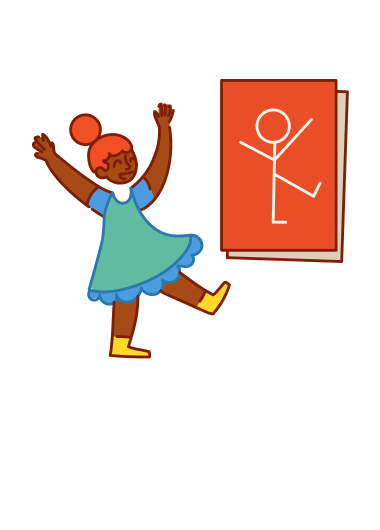
HUMAN MIRROR CHALLENGE
-Draw a few simple "stick figures" on small pieces of paper, each in a different pose (one leg up, arms crossed, hands on the head, etc.). The adult picks a card, the kid should quickly mirror the pose shown. Then switch roles.
Why it helps
Develops body awareness, balance & coordination as they try to match different positions. It also strengthens attention and observation skills.
Connection tip
Let your child be the "choreographer" and create their own complex stick-figure poses for you to try.
Play to Discover & Manage Emotions
Children experience big emotions every day, but learning to understand and manage them takes time and practice. Play offers a natural & safe way for children to explore feelings, express what’s inside, and learn how to cope with the everyday emotional ups & downs. This section includes simple, playful ideas designed to help children do just that.
+
Emotional Play
Mirror Emotions

Mirror Emotions
-Stand face-to-face and mirror each other’s facial expressions. Take turns leading and copying.
Why it helps
Builds emotional recognition and empathy.
Parent tip
Make it playful with silly expressions too.
+
Emotional Play
How Is My Toy Feeling?

How Is My Toy Feeling?
-Place a few small toys in front of your child. Take turns choosing a toy and saying how it feels today and why.
Why it helps
Builds emotional awareness and vocabulary.
Parent tip
Model simple emotions first (happy, sad, worried).
+
Emotional Play
Emotion Charades

Emotion Charades
-Act out a feeling using only your body. The other person guesses the emotion.
Why it helps
Strengthens emotional awareness and nonverbal communication.
Parent tip
Keep it light: laughter helps make feelings safer.
+
Emotional Play
Guess my emotion
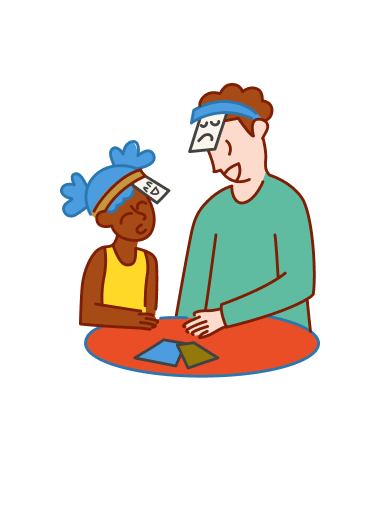
Guess my emotion
-Write emotions on 15–20 cards and place them face down. Each player clips a card to their headband without looking. Your child and you take turns asking yes-or-no questions to guess the emotion. If they guess correctly, they keep the card. The player with the most cards wins.
Why it helps
Builds emotional recognition and empathy.
Parent tip
Make it playful with fun emotions too.
+
Emotional Play
Toy Takes a Break

Toy Takes a Break
-Pretend a toy feels overwhelmed, or angry, or sad. Together, help it calm down or cheer up, breathing, stretching, resting or telling him a story.
Why it helps
Teaches self-regulation strategies.
Parent tip
Use the same calming tools you’d suggest to your child.
+
Emotional Play
TOY rescue

TOY rescue
-If a toy "breaks" (or pretends to be sick or had a very bad day), work together to "fix" it with a hug, a tissue "bandage," or singing a lullaby.
Why it helps
Practices empathy and nurturing behavior toward others.
Parent tip
Model gentle touch and soothing words that your child can later use for themselves.
EVERYDAY PLAY MOMENTS
You don’t need a big space, or a perfect plan to play with your child. Play can live in the small moments you already share throughout the day. This section is full of fun, simple ideas for everyday play breaks that fit your daily routines: during mornings, mealtimes, waiting in line, bedtime routines, and everything in between.
+
Everyday Play Time
Wake-Up Faces

Wake-Up Faces
-Greet each other in the morning with the same silly or emotional face (e.g., You can set it up the night before: Agree together on what the first morning face will be. “Let’s do a sleepy turtle that is getting up”).
Why it helps
Builds emotional connection and sets a positive tone.
Connection tip
Let your child choose the face for the next day.
+
Everyday Play Time
Walking Stories
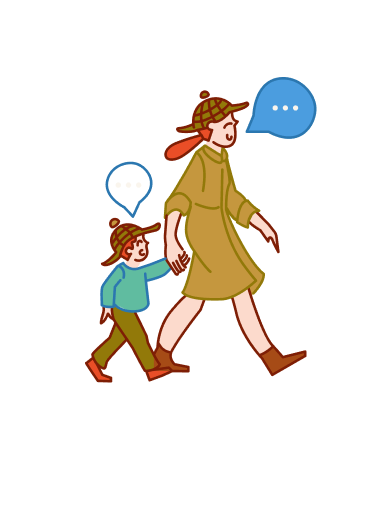
Walking Stories
-Create a story together, one sentence at a time while walking. Take turns to continue the story (e.g., “That dog we saw is actually a detective…”, “…who is looking for a missing cookie”).
Why it helps
Supports imagination and turn-taking.
Connection tip
Let the story go wherever your child leads.
+
Everyday Play Time
Backpack Surprise

Backpack Surprise
-Add a small playful note, drawing, or challenge for your child to find in their school backpack or somewhere where they find it (e.g., inside their shoes, under their pillow, under their plate at breakfast, in a jacket pocket).
Why it helps
Creates emotional connection across the day.
Connection tip
Invite your child to surprise you next time.
+
Everyday Play Time
Invisible Ball
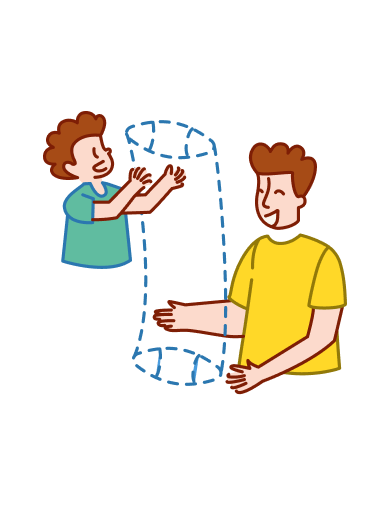
Invisible Ball
-Pretend to throw and catch an invisible ball, changing its size or weight.
Why it helps
Encourages imagination and cooperation.
Connection tip
Let your child change the rules.
+
Everyday Play Time
Who Am I?
Who Am I?
-Hide a small toy behind your back and describe it with clues. Your child guesses which toy it is.
Why it helps
Builds listening and thinking skills.
Connection tip
Take turns being the describer and guesser.
+
Everyday Play Time
Guide me there
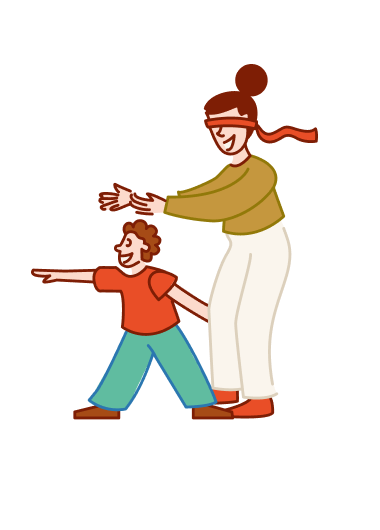
Guide me there
-On a familiar walk (to the car or the park), let your child be the "GPS." They tell you when to turn left, right, stop, or go "turbo speed."
Why it helps
Encourages confidence and decision-making by letting children take the lead, while also developing spatial awareness and navigation skills.
Connection tip
If they lead you the "wrong" way on purpose, follow them for a few steps: the shared silliness is more important than the destination.
+
Everyday Play Time
Be creative!
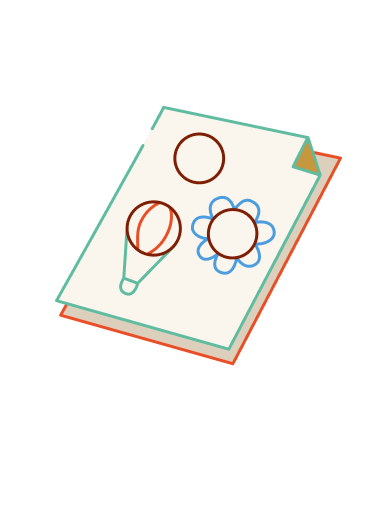
Be creative!
-Draw 3-5 identical circles on a large sheet of white paper. Challenge your child to transform each circle into a different object using markers or crayons (e.g., different faces, fruits such as an orange, object such as a balloon or a clock).
Why it helps
Promotes divergent thinking, teaching children that a single starting point can lead to infinite possibilities.
Parent tip
You can start the drawing for your little ones, like adding the ears of a bear or the petals of a flower, and let them finish the coloring.
+
Everyday Play Time
Be a magician
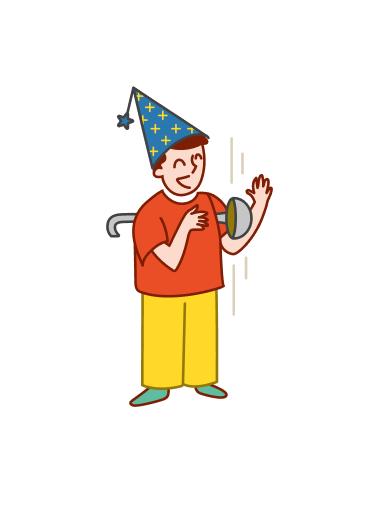
Be a magician
-Hold a steel ladle by the handle under your arm with the rounded side facing the audience. Lightly steady it with your fingertips, then slowly let go and move your hands around it to create the illusion that a metal sphere is floating in mid-air with no support.
Why it helps
Performing a trick in front of others helps children feel proud of themselves and more comfortable being seen and heard, building confidence and communication skills.
Parent tip
Keep the tone light and playful rather than performance-focused. Praise effort, not just success.